

Rydell Honda of Grand Forks

Blog / Grand Forks Honda Service

What Does the Honda Warranty Cover?

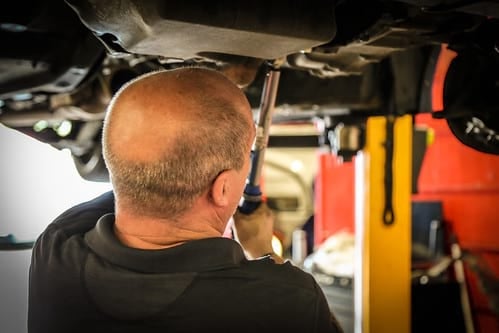
Mechanic working on underside of car in auto repair shop

Honda has built its name on the production of dependable cars over decades. Many drivers keep their Hondas long after the warranty expires. That's encouraging news for those considering a Honda.

Honda provides comprehensive warranty coverage on every new vehicle so you can drive away confident you're protected should you require planned or unplanned auto service. The factory warranties from Honda get divided into your basic, bumper-to-bumper coverage and a powertrain warranty. You can purchase additional warranties depending on the vehicle.

Image via Flickr by Listers Group

New Vehicle Limited Warranty

The New Vehicle Limited Warranty comes with every new Honda purchased. This warranty covers almost every component outside your Honda powertrain, including the battery, electrical components, air conditioning, infotainment system, and more. The warranty coverage lasts for whichever comes first, 36 months or 36,000 miles.

A few items have more limited coverage. The electronic key and its battery coverage last six months, as do the windshield wiper blades. You get limited coverage for 12 months or 12,000 miles on your wheel alignment and balancing. Your air conditioner's refrigerant comes with two years or 24,000 miles of coverage.

Limited Powertrain Warranty

Your Honda powertrain includes the engine, transmission, transaxle, drivetrain, and restraint system. The powertrain covers all those mechanical parts responsible for powering your Honda. The powertrain warranty will cover the repair or replacement of components associated with these systems. The warranty for the Honda powertrain systems lasts for 60 months or 60,000 miles.

Specifically, the Honda powertrain warranty covers necessary refurbishing to the engine block, head, and every part within. Also covered are the timing gears, gaskets, the belt or chain used for cylinder timing, and cover, flywheel, valve covers, oil pan, oil pump, the entire exhaust system, all mounting brackets, control modules, cooling and gasoline pumps, seals, and gaskets.

On your transmission, the warranty covers the outer transmission hold and every part within, the torque converter, the transfer case and the parts within, the control module, seals, and gaskets. 

If you have a front-wheel-drive Honda, the warranty covers the case for the drivetrain and the parts within, the driveshafts, CV-joints, hubs and bearings, seals, and gaskets. Rear-wheel-drive models have warranty coverage on the rear-differential case and the parts within, propeller shafts, U-joints, driveshafts, CV-joints, rear hubs and bearings, seals, and gaskets.

Replacement Parts Limited Warranty

Honda Genuine Parts have warranty coverage that extends from 12 months from the date purchased through the end of the New Vehicle Warranty of 36 months or 36,000 miles, whichever comes last. The coverage for Replacement/Remanufactured Parts Limited Warranty covers only those parts deemed routine maintenance parts like brake pads, filters, spark plugs, etc., and only if they were improperly constructed. You must have documented proof of purchase as well.

Accessory Limited Warranty

If you installed Honda Genuine Accessories when you purchased your new Honda, those accessories have coverage for three years or 36,000 miles. This coverage applies to accessories purchased through Honda dealers, even if they were installed elsewhere.

Rust Perforation Limited Warranty

This warranty protects against corrosion, rust, and degradation of factory-installed body panels on your Honda vehicle. The warranty coverage lasts for up to five years with no mileage restriction. The warranty won't cover body parts that were fixed, swapped out, or refurbished after the purchase of your Honda.

Tire Warranty

Your tire warranty comes from the tire manufacturer, not from Honda. You can search online for your tire warranty information from the tire manufacturer.

Roadside Assistance

Peace of mind comes with every Honda purchase through our 24-hour emergency roadside assistance plan. Coverage lasts for three years or 36,000 miles and covers jump starts, lockouts, mechanical and accident tows, winching, flat tire, and fuel delivery.

Honda Care Vehicle Service Contract (VSC) Plans

If your Honda has less than 36,000 miles and under three years old, you qualify for additional coverage through a VSC plan. If your Honda has less than 12,000 miles and under a year old, you are eligible for the Honda Care Maintenance plan. These plans are aftermarket warranties providing services, car rentals, and more.

Honda Care plans come in four levels. New vehicle coverage applies to all new Honda vehicles. A pre-owned vehicle plan covers all pre-owned cars, whether they are a Honda or other manufacturer bought as trade and re-sold by Honda. Certified additional coverage offers warranty protection on all certified pre-owned Honda vehicles. The powertrain VSC plan offers powertrain protection on pre-owned vehicles only.

Honda Care Sentinel Services

The Sentinel Services VSC offers warranty coverage through Honda Care on various items like routine oil changes, tire repair, key fob replacement, roadside assistance, concierge services, and a trip interruption benefit. Regular oil changes must be performed by a certified Honda technician at a Honda Express Service Center. The tire repair coverage will reimburse you up to $35 per tire with a maximum of one repair per tire. Roadside assistance covers up to five Honda vehicles registered to the same family address.

What Isn't Covered By Your New Vehicle Limited Warranty

Honda's New Vehicle Limited Warranty doesn't cover normal wear and tear of any part, debris removal, scrubbing, or the addition of necessary fluid, unless they are required as part of a repair under warranty. Window glass has no coverage unless cracked, chipped, or scored. Honda won't cover other cosmetic issues like paint unless the problem stems from a defect in material or workmanship. 

The New Vehicle Limited Warranty wouldn't cover broken or breakdown of parts or accessories if they were improperly maintained or installed. Any wrong or misapplication, unintentional damage, running low on oil, brake fluid, or coolant, modifications, altered odometer, racing, or the vehicle was deemed a complete loss would also void the warranty coverage.

At Rydell Honda of Grand Forks, we proudly stand behind every Honda sold. We know Honda offers excellent warranty protection, and our state-of-the-art service center stands ready to help with any warranty repair. Our factory-trained technicians use only Genuine Honda Parts. When your Honda leaves our service center, you can be confident knowing it left with the same parts as it rolled off the assembly line. 

Contact Rydell Honda of Grand Forks

If you have any questions regarding warranty coverage on a repair, we invite you to contact our service center. One of our friendly, knowledgeable staff will walk you through the warranty process and schedule any repairs necessary.
Posted in:

Related Posts

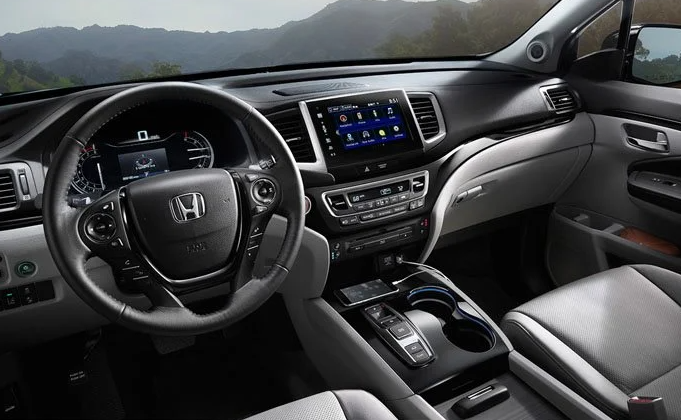
Inside of a Honda vehicle, front dashboard.

Are Honda Pilots expensive to repair?

Honda vehicles are famous for their quality engineering. Honda engines can reach 300,000 miles and beyond with little maintenance. Just about every Honda that comes off the line can stay on the road for more than a decade. However, that longevity comes with proper maintenance, and there are occasions when you may need to repair your car. The Honda Pilot is no exception to these rules, and it's a great mid-sized SUV to get you around Grand Forks, North Dakota. Here's a look at the average costs of maintaining a Honda Pilot. more What Is the Average Annual Cost for Honda Pilot Maintenance? On average, it may cost between $525 to $575 annually to maintain a Honda Pilot. This cost includes oil and fuel filter changes and other incidental maintenance such as rotating tires and fluid top-offs. The actual amount you pay depends on the type of service you have done on the car, the commodity cost of oil at the time of the oil change, and how frequently you have the oil changed in your vehicle. The more miles you put on your car, the more frequent your oil changes, and the more you will pay for maintenance over time. Repair costs for a Honda Pilot depend on the problem you are experiencing with the car at the time. You can get an idea of how much a repair will cost by bringing your vehicle to the Rydell Honda of Grand Forks Service Center and getting a repair estimate from our technicians. What Are the Common Problems With the Honda Pilot? Honda periodically issues a technical service bulletin (TSB) to the public to highlight a known issue and how technicians should make repairs. Sometimes, a common problem affects vehicles from a series of model years, while other common issues only affect a single model year. For example, Honda Pilots from 2003 to 2008 exhibited loud, groaning noises when drivers turn their steering wheels. This problem usually occurs when air gets into the power steering system via a broken or worn-out part. In the models from '03 to '08, the problem is that O-rings have worn out. Honda released a TSB for the 2003-2008 model years and explained how car dealerships needed to fix the issue. Any owner of a Honda Pilot from this era can bring their car to their nearest dealership and talk about the issue they are experiencing with the vehicle. Then the dealership will repair the car. Since the TSB has already outlined the problem and how to service it, the dealership can make repairs according to manufacturer specs and eliminate the noise. TSBs are available to the public by law, which means that owners and potential owners of Honda Pilots can look up the known issues for any given model year and learn about potential maintenance issues. The information from a TSB can help you get an idea of the problems with the vehicle and help you stay on top of them if they do show up. Is It Expensive to Repair Common Problems With the Honda Pilot? Some common problems can be inexpensive to fix, but, of course, major issues call for expensive repairs. The technical service bulletins can help you determine whether you need a high-cost repair. Also, you can use the TSBs to learn how common some problems with the Honda Pilot are. (Be sure to discuss this information with a Honda technician at our dealership.) The existence of a TSB for the model year of your Honda Pilot is not a guarantee that your car will exhibit that issue while you own the vehicle. One thing to keep in mind with car ownership is that parts wear out. Also, seals age and dry out over time. A car's engine is subject to wear and tear, temperature swings, internal operating pressure, and high voltage from the electrical system. Age is another factor in determining how well an engine will run. That means your car is going to need more repairs the longer you own it. One aspect of an older car that rests in your favor is that parts tend to get cheaper, especially with models that keep the same engine over several years. When many vehicles have similar engine types, that translates into more demand for parts. Original equipment manufacturer (OEM) part makers respond to the increased demand by producing an abundance of car parts. Since these parts are readily available, they are usually lower in cost. Why Should I Bring My Car to the Rydell Honda of Grand Forks Dealership for Repair? At Rydell Honda of Grand Forks, we have a service department staffed by technicians who have attended Honda's technician school. Our technicians received training to work on all things that concern Honda cars, and they are therefore familiar with the engines that the manufacturer produces. Our technicians can fix your Honda to factory specs and use Honda-branded parts or OEM parts that fit Honda's specifications. In other words, when you send your car in for repairs, we will use car parts that are the same as the parts that originally came with your vehicle for optimal performance. Our service department stays up to date with TSBs for all Honda models, and we also take care of the recalls according to manufacturer specifications. That is to give you peace of mind while your car is in for repairs, and we will return your vehicle to you in a condition better than it was when you dropped it off. Got questions about the Honda Pilot, or any Honda for that matter, and want to know more? Contact us at Rydell Honda of Grand Forks via our online form or call us at 701-746-2020. You can talk to our salespeople and service technicians about your Honda. Our staff is ready to answer your questions and concerns about the reliability of the Honda Pilot. We're here to show you what the Pilot can do and why it's a great SUV for your daily needs.

The Road to Reliability: Routine Vehicle Maintenance

Owning a vehicle can be an exciting and convenient experience. However, it also comes with responsibilities, one of the most crucial being routine car maintenance. Neglecting your vehicle's regular upkeep can lead to costly repairs, reduced performance, and even safety hazards. more Extended Vehicle Lifespan Routine vehicle maintenance is like providing your vehicle with regular check-ups. Your vehicle needs scheduled preventative maintenance to ensure its long-term health. Simple tasks like changing the oil, replacing filters, and inspecting belts and hoses can significantly extend your vehicle's lifespan. Regular maintenance helps prevent wear and tear from becoming major issues, ultimately saving you money. Improved Fuel Efficiency A well-maintained vehicle runs more efficiently. When your engine is clean and well-tuned, it uses fuel more effectively, resulting in better gas mileage. Something as simple as replacing a clogged air filter can improve your vehicle's fuel efficiency by up to 10%. Over time, these savings add up, making routine maintenance cost-effective. Enhanced Safety Your safety on the road should always be a top priority. Routine maintenance ensures that critical safety components like brakes, tires, and lights are in good working order. Regular inspections can catch potential problems before they become dangerous as well as reduce the risk of accidents caused by mechanical failures. Reduced Repair Costs Small issues can quickly grow into expensive repairs if left unaddressed. Routine maintenance allows you to catch and fix problems early, preventing them from becoming major headaches. For example, a minor brake issue can be resolved with a brake pad replacement, which will save you from having to replace the entire braking system later on. Maintaining Resale Value If you ever plan to sell or trade-in your vehicle, its maintenance history will play a significant role in determining its resale value. In addition, a vehicle that has kept up with its maintenance is more appealing to potential buyers. Keeping records of your maintenance activities can help you prove the vehicle's reliability and care to potential buyers. Consistent Performance Regular maintenance ensures that your vehicle performs at its best. In fact, clean filters, properly inflated tires, and a well-tuned engine all contribute to consistent and reliable performance. Whether you're commuting to work or going on a road trip, you can trust that your vehicle will get you where you need to go without unexpected hiccups. Environmental Benefits A well-maintained vehicle is also better for the environment. When your vehicle runs efficiently, it produces fewer emissions and consumes less fuel. This not only saves you money but will also help reduce your carbon footprint, making routine maintenance a win-win for you and the Earth as well. Regular maintenance is an investment in the longevity, reliability, and safety of your vehicle. By taking proactive steps to care for your vehicle, you can enjoy a longer lifespan and improved fuel efficiency. As well as enhanced safety, reduced repair costs, and even potential financial benefits when it comes time to sell or trade in your vehicle. So, don't overlook the importance of regular maintenance; it is the key to a smooth and trouble-free journey on the road. Schedule your service with Rydell Honda of Grand Forks today or call (701) 746-2020.